
Mega-Storm El Nino is on the way
The Met Office have forecasted a record-breaking event in the Pacific ocean, known as El Nino. El Nino are occasional meteorological phenomenon, caused by a higher than usual sea-surface temperate level. However in 2026, the pacific storm is set to be bigger and wetter than ever. El Nino has historically affect autumn weather predictions; therefore a stronger El Nino would suggest an even more turbulent British autumn.
Meteorologists are predicting an increased likelihood UK-localised storms caused by El Nino. Long-range forecasts say to expect autumn to be more unpredictable, and significantly stormy. As well as complicating the globe’s weather patterns, El Nino is also set to impact global food supply chains, and global gas exports. The UK is currently rebuilding it’s energy buffer to reduce the pressure of uncertainty caused by conflicts in Ukraine and the Middle East.
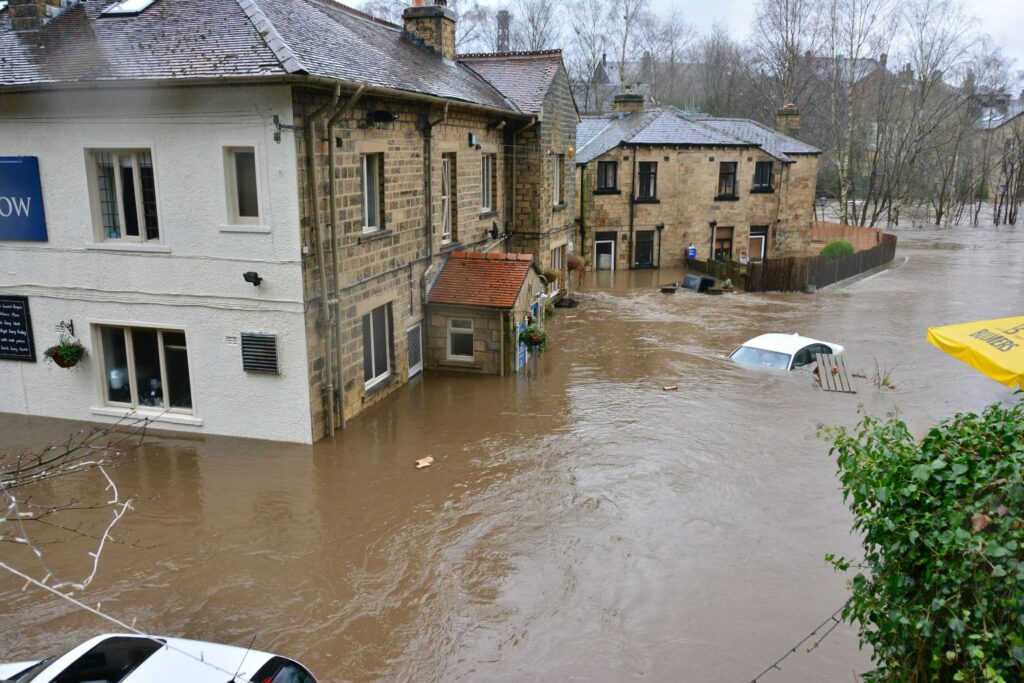
Between October and December, the UK will experience stronger westerly winds and lower pressure patterns, which increases likelihood of cold snaps, rainfall and risk of flooding.
Sports and social clubs owners, as well as business property managers need to be aware of the increased risk and prepare. There are essential risk adverse actions to be taken, including reviewing the property, as well as ensuring proper close-down procedures are carried out. Safeguarding against storm damage will reduce the likelihood of a flood, property damages or even injury due to a falling tile. Fences are also a high priority, potentially exposing your clubs to vandalism and theft if they come down in a storm.
Club Insure are compelling club owners to read the following information, helping to prepare clubs before the autumn and winter storms arrive.
How to storm proof your club:
Store Equipment safely during stormy season
Any large scale vehicles need to be kept indoors overnight, as being hit or blown over by a storm can cause significant damages to vehicles. Any tables or chairs should be tied up securely and preferably kept indoors. Equipment such as lawn mowers, cricket nets, tennis nets, stumps, and bowls scoreboards should be stored – even football posts and rugby posts could be taken down and stored for particularly high wind speeds.
Review the Roof and Solar Panels before a storm
Check for loose tiles, these will need to be removed safely. Clearing gutters is necessary to reduce the risk of flooding or water pooling. Debris on buildings can fly off in a storm, causing major damage to windows, cars or even injure people.
Further more many clubs have installed solar panels on their roof tops. Solar panels regulations will prevent them coming loose during a storm, however it is always best to review properties while the weather is calm.
Solar panels require a large battery storage facility, situated away from the main premises. Although this facility should be review regularly, it’s best to check before a storm, particularly for weaknesses or vulnerabilities or damp. Avoiding the risk of flooding or exposure of the batteries will help prevent a costly claim.
Avoid any planned building work during stormy season
Many clubs utilise volunteers. These volunteers are often left unsupervised to carry out their responsibilities. It is important club owners inform staff and volunteers of any high wind or storms on the horizon, and that duties taking place outdoors should be cautioned.
Planned building work should perhaps be rescheduled, if it falls when a storm is certainly approaching. This will save the club any hassle time and money caused by possible [postponement and cancellations of necessary building works.
Inspect your fences before a storm
Walk your perimeter, and look out for any loose paneling, weak posts or damaged areas. Repairing these sections of fencing before a storm will likely avoid exposure or security issues were it to blow down.
Lock down procedures
Review your club’s shut down procedures, ensuring the club is safe and secure at night. Retrain your staff on how to properly secure equipment, including when this should be done by. During poor weather, a good lock down procedure is all the more important. This should include reviewing the property, closing windows, securing doors, and secure anything that can blow away in the wind.
Review your insurance before a storm causes a claim
Double checking your club’s buildings and content insurance is up to date is crucial. If a piece of equipment not named on your asset register is damaged, it may not be covered in the event of a claim.
Club Insure are the UK’s specialist broker for sports and social clubs, as well as community centre’s and working men’s clubs. With over 20 years of experience, we’ve handled many storm claims and provided club’s of every size and shape with useful guidance. Our inhouse claims team are ready to deliver prompt and suitable solutions to your club in the event of a flood or damage.