
Falls from Height is the biggest killer in the workplace
Stallard Kane, the health and safety and HR specialists, have published their assessment of the HSE’s fatality statistics report for 2026. The stats clearly show that falling from height is the most common accident which results in a fatality on site. Falling from height outpaced such risks as being struck by a moving vehicle, being trapped and crushed, or being struck by an object.
126 workers were killed in work-related accidents in 2025-2026, whereas 106 members of the public were killed due to work-related incidents. The rate of injuries per 100,000 people has been falling since 1988. On the whole, we are more conscious of safety on the premises and have extensive safety precautions in place mandated by regulations, however fatalities are still ever present.
Construction is the deadliest sector, including construction related activity on many different types of premises. At Club Insure we review Stallard Kane’s assessment of the HSE’s statistics, how similar these actions are to much of the work done by volunteers at clubs, and how one mistake can have devastating results, including loss of life and thousands of pounds worth of damages.
Fatal injuries at work more prone for Men over 60.
Reviewing the HSE’s stats for the vast majority of workers – men were far more prone to injury than females. 93% of workers fatally injured in 2025 and 2026 were male. This is due to men being more likely to perform high risk work, and is a ratio similar to all previous years.
Shockingly, a third of all fatalities were suffered by individuals over the age of 60, even though this age group made up only 12% of the workforce. Ultimately, men aged over 60 are at a far higher likelihood of suffering a fatality while at work, especially while undertaking construction projects.
These results provoke pertinent questions, such as; why are aged men putting themselves at risk, what health and safety procedures should be in place, and what risks need to be more fully appreciated.
Why do fatalities at the workplace happen?
Stallard Kane try to look beyond the statistics and ask why fatalities happen. Despite all the visibility, communication, risk assessments and safety signage; incidents still occur. Stallard Kane argue businesses understand their responsibilities, understand the procedures they need to have in place, however they must ensure that all employees and volunteers also know the risks.
Health and safety is not a series of compliance tasks, checkboxes that must be ticked – it is a big connected enterprise, a culture which needs to be curated. Having multiple employees spotting gaps and suggesting measures is far more effective than merely one trained safety officer.
Stallard Kane says incidents don’t occur because of one failing, it’s more likely because of multiple failing which then create the perfect storm. – “A combination of small failures significantly increases the likelihood of a serious incident. Preventing incidents isn’t simply about identifying hazards. It’s about recognising how multiple risks interact across an organisation and ensuring those connections are understood before they contribute to an event.”
How to protect against falls from height:
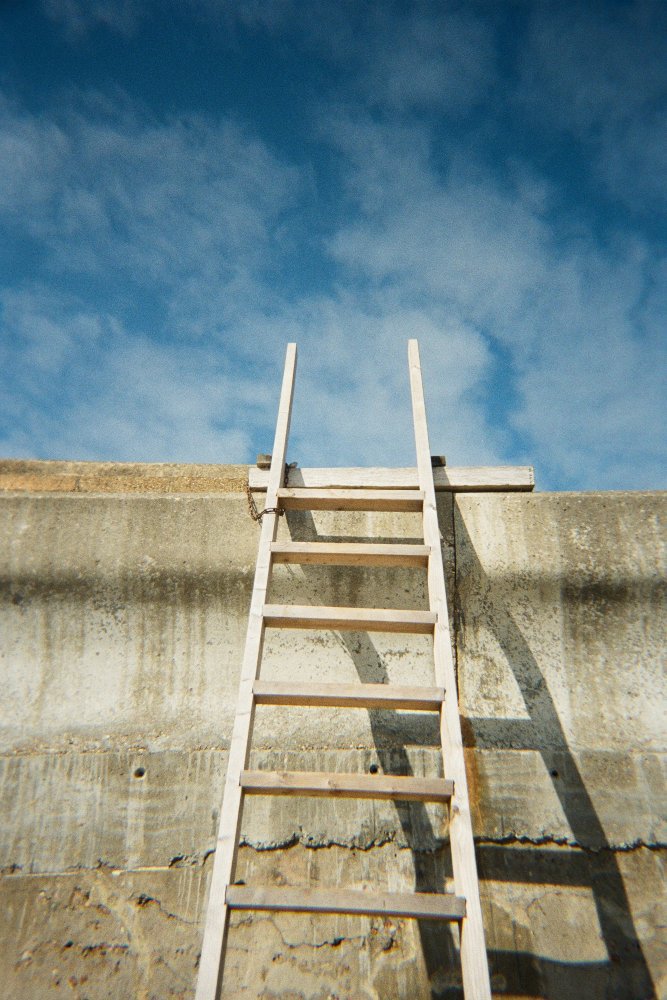
An average of 37 deaths per year were due to falls from a height, representing 28% of all fatal injuries over this period. A markedly higher proportion of worker deaths in construction were due to falls from a height compared to other sectors. Construction is also the most similar discipline to the actions performed by volunteers at clubs.
Any job merely needing to use a step ladder or above the ground floor is considered ‘working at height’. To protect against injuries while working at height, club managers should:
- Consider whether access to the roof or raised platform is really necessary to do the work.
- Set aside enough time to do the work.
- Make sure all involved fully understand the safety precautions.
- Take into account weather conditions, including rain and wind.
- Never walk on fragile materials, such as glass roof lights or cement sheets, many of which could be hidden or painted over.
- Do not use boards to leapfrog across roofs, or from building to building.
- Ensure ladders are anchored and securely placed.
- When working near fragile materials, use a safety harness or have safety nets in place to prevent falling from height.
- Not work on glasshouses roofs and instead utilise automated roof cleaning or mechanical washing systems.
Furthermore, when working with the aid of a ladder, clubs should ensure certain safety measures are in place. These include:
- Chose the right ladder for the height and inspect the ladder before use.
- Never work from a ladder is a scaffold or suitable working platform is available.
- Ladders should be used for quick jobs that take minutes rather than long jobs that take over an hour.
- Ensure the ladder has firm footings.
- Ensure the ladder is level.
- Ensure the ladder does not lean against fragile structures such as gutters.
- Ensure the ladder is secured to prevent slipping, this can be done through the use of a board and ties.
Is working from height training mandatory
Working at height training teaches workers how to safely perform tasks that require a ladder, raised platform or scaffold, encompassing all tasks that take place above ground level. Under the Work at Height Regulations 2005, employers must provide this training to every worker before they attempt to work from height.
Online courses are available, but practical courses are better suited for individuals who will be often required to work from height. Work from Height certificates cost around £6.50.
Case Study – Fall from Height Fatality incurs £425,000 fine
As reported by the HSE and the BBC, a worker died after falling 1.5 meters in a warehouse in Middlesborough. The 60 year old Warehouse Supervisor hit his head upon falling and died at work.
The HSE investigation concluded that the company failed to properly assess the risks involved in the loading operation and declared the incident ‘entirely preventable’.
The company was found guilty on three accounts of exposing workers to fall risks, and fined £425,000.