
Asbestos is still the biggest workplace killer
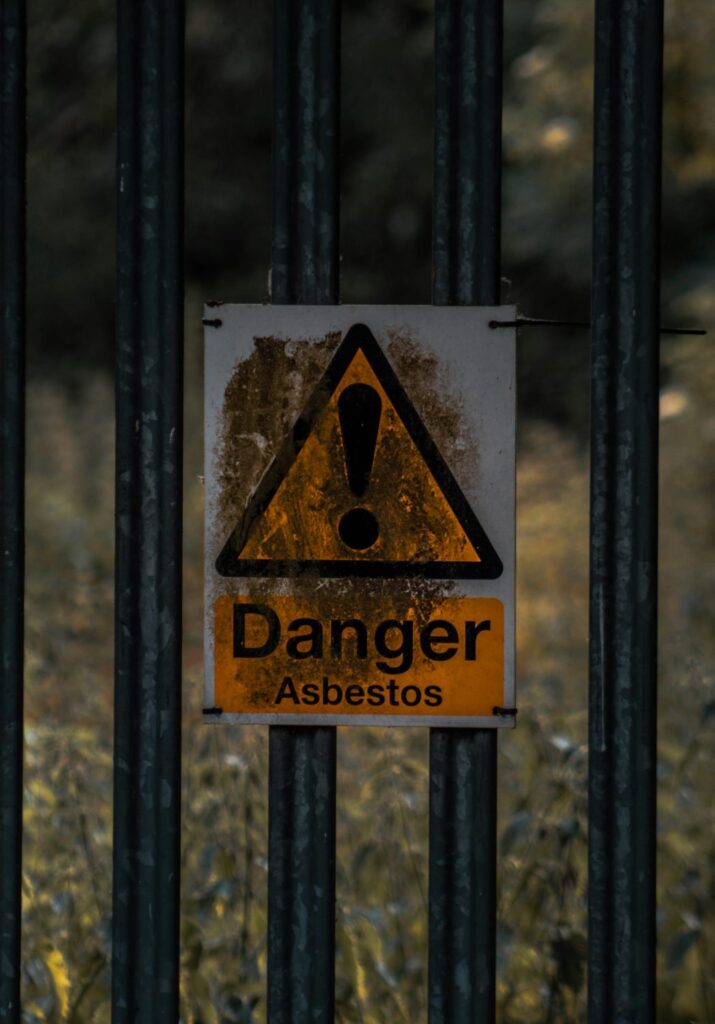
Asbestos was used in high quantities in all types of buildings during the 1950s and 1980s. Primarily used for heat protection, asbestos is now known to cause lung cancer. Around 5000 people per year are still dying from diseases resulting from exposure to asbestos.
Most asbestos related deaths involve people aged over 75 who have been exposed to asbestos in a building. The most likely people to contract the disease are tradesmen who have worked in existing buildings and have been exposed to disturbed building materials containing asbestos. Such tradesmen including joiners, electricians, plumbers as young as 40 years old.
The use of asbestos in construction was banned more than two decades ago, however the risk still persists for older clubhouses. Any remodelling, renovations, or changes could expose asbestos, putting your club employees and volunteers at risk.
Where do you find asbestos?
Asbestos could be found anywhere in building built before the 1990s. Common locations within clubhouses and buildings include:
- Loose fill insulation
- Lagging on boilers and hot water pipes
- Panelling
- Guttering and downpipes
- Toilet seat and cistern
- Vinyl floor tiles
- Textiles such as fire blankets
- AIB ceiling tiles
For diagrams showing where asbestos can occur in detail, including photographs of locations where actions may need to be taken, see the HSE information.
What are the legal obligations of club owners in relation to asbestos?
The current regulations are outlined in the Control of Asbestos Regulations (2012) and they state the obligations of the dutyholder. An employer must not let any of their employees work in an environment where they may be exposed to asbestos. The dutyholder must carry out an asbestos risk assessment, assess the condition of any present asbestos, and have documented a written plan of how to handle affected areas.
Before managing asbestos, a licence is required. The licence needs to be applied for through the HSE and at least 28 days before the work takes place.
Employers are also responsible for the training instructed to employees. This will involve spotting asbestos, working around asbestos, and the dangers of asbestos. Training should expect to cover what asbestos looks like and its properties, the effect of asbestos on your health, where asbestos is commonly found, the expectation of air monitoring, emergency procedures following asbestos discovery, and required medical examinations.
Read about the story of Yarnbury RFC, who found asbestos under their flooring and needed to resolve an issue before hosting a festival.
What are the possible financial ramifications of asbestos exposure?
Councils and business have historically been found liable for the death of individuals related to asbestos exposure. A man from York who died in 2024 was diagnosed with mesothelioma won a £1million in compensation, to be claimed by his widow. His law firm successfully argued the asbestos-related disease was caused by years of exposure while working as a joiner in schools. Kirklees Council accepted that their employee was let down by a breach of standards.
Typical asbestos removal costs range from £950 to £3,750 for smaller venues. Costs for larger businesses can go into the tens of thousands. However contractor quotes can vary drastically depending on the scale and speed of the operation. DIY removal is permitted for smaller, low risk projects.
At Club Insure, we recommend all clubs contact their broker before conducting any work concerning asbestos. We can advise on how to properly manage asbestos, which contractors to utilise, and how asbestos may impact any business interruption.
Asbestos Case Studies:
- Two family run companies have appeared in court after the Health and Safety Executive (HSE) carried out an unannounced visit on a basement conversion and found that neither firm had undertaken an asbestos survey. The work involved the refurbishment of the basement, a former restaurant unit, as a bar. The HSE arrived unannounced to inspect the work, inspectors discovered that an asbestos survey had not been carried out before the tradesmen had started stripping out the space. The two company, s received fines totalling £34,000. It was also ordered to pay the combined costs for both defendants of £10,232.
- In June 2015, Brian Roberts, a builder, was sentenced to imprisonment for exposing workers to asbestos. Roberts received a 26-week custodial sentence for a breach of regulation 8(1) of the Control of Asbestos Regulations 2012, for undertaking work with asbestos without a licence. Roberts was engaged to remove asbestos from a commercial unit on an industrial estate in Colwyn Bay. He removed asbestos insulating board (AIB) from the unit, despite not holding a licence to work with this material.