


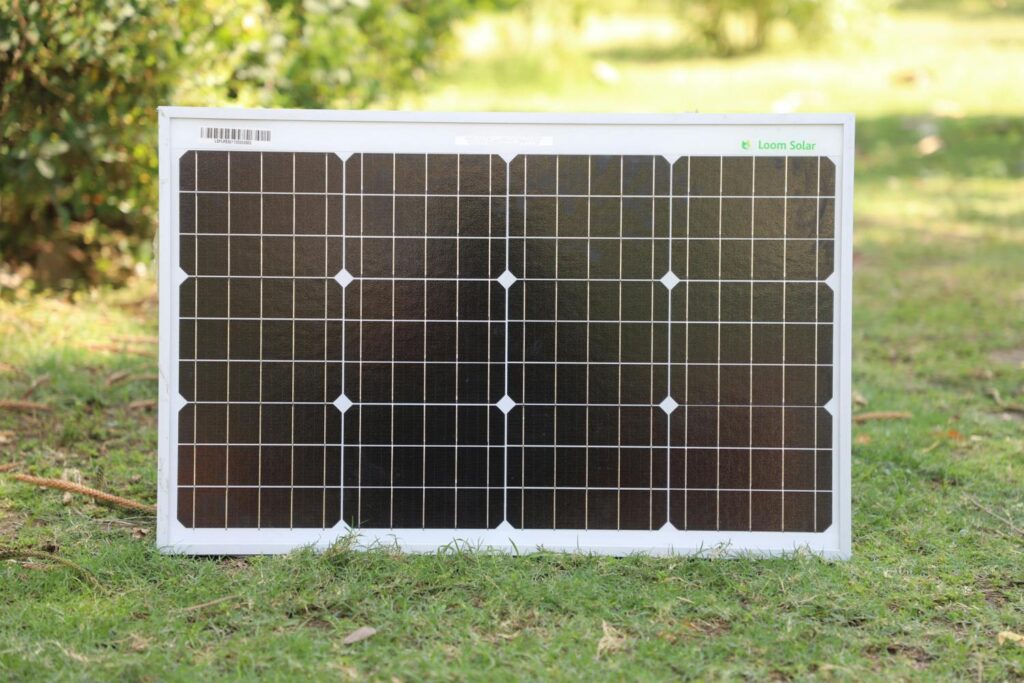
What are Plug-in Solar Panels and how do they work?
Plug-in solar panels are the latest evolution of household renewable power, advertised as a cheaper alternative to roof panels. In the midst of an national energy crisis, many canny members have been swayed by the perceived benefits of plug-in solar panels –yet insurers have a different opinion entirely. Plug-in solar panels pose an increased risk for commercial properties, and do not comply with solar insurance conditions.
To many, solar panels are the future. They provide a significant discount to a property’s energy bills in the long term, and also reflect the sustainable efforts of the owners. Households and clubhouses across the country have purchased and installed solar panels, perhaps taking advantage of government subsidies or local schemes. Insurers are keen to provide confidence to property owners looking to improve their premises, with specific policies designed to cover solar panel risks.
Plug-in solar panels are the new trend, extensively more affordable than roof panels. At around £600 for retailers such as Argos, plug-in panels are able to convert sunlight into electricity suitable for your home. Output is limited via the microinverter, to only 800 watts, reports the BBC, which is about a fifth of the required energy to power a kettle.

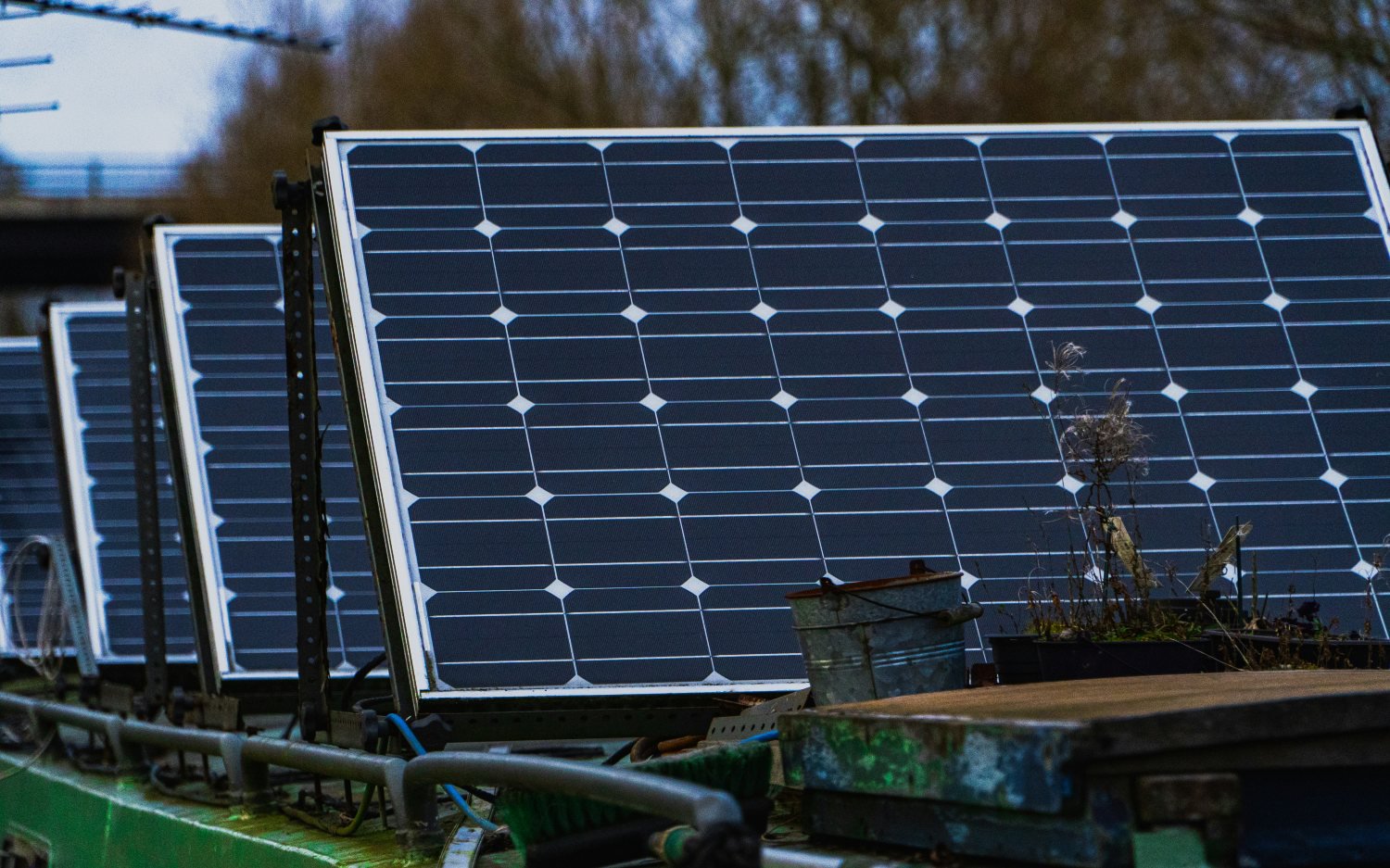
Why should Plug-in Solar Panels be avoided?
Plug-in solar panels should be avoided because they are likely not covered by your insurance and pose unknown risks.
From August 27th, plug in solar panel devices can be sold legally in the UK. News outlets have published the cost saving potential of these devices, however the product is focused mainly on residential use, not for a commercial property. Large commercial properties host a plethora of risks which require cover, yet solar panels are not covered by most commercial buildings and contents insurance policies, therefore requiring an add-on. Furthermore, new devices such as plug-in solar panels are not likely to have been appropriately risk assessed by insurers, therefore it is almost certain they are excluded from any solar-panel-specific policy.
Solar panels should also be avoided because of the difficulty knowing what the devices are comprised of. Many articles do sign post the fact that buyers should first check whether their property is safe to install the appliance, indicating the risks involved. Introducing a new source of electricity poses serious risks of fire. And as is the assumption of many mass-produced items; if they are not already manufactured in the far east, they soon will be – keep a look out for where products are made as other countries often operate on safety regulations considered lenient compared to European standards.
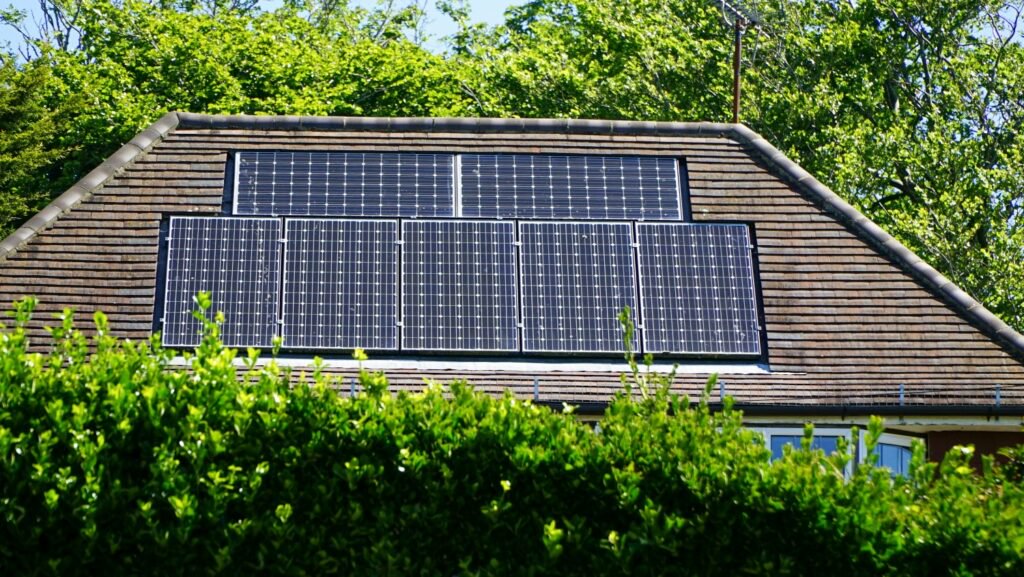
At Club Insure, we are inclined to recommend that our clients avoid buying these plug-in solar panel devices. The risks far outweigh the benefits – An independent report established that 800w plug-in solar panels would only save properties around £110 per year on their energy bills. As an alternative solution, we would recommend a mounted rooftop solar system. Rooftop solar panels are proven to increase the valuation of the property, and provide an annual saving of nearly £900.
As with any major addition or renovation to your property, we would advise a full risk review. Before installing solar panels or operating a solar farm on your premises, you must talk to your insurance broker, as this may impact your insurance.

In Summary – Why should plug-in solar panels be avoided?:
- Plug-in solar panels will likely not be covered by insurance, or by existing solar panel specific policies.
- Solar panels pose an increased risk of fire.
- Plug-in solar panel devices will likely not return the investment made, and are expected to break within 5-10 years.
- Rooftop solar panels are a preferred option by insurers and from a financial investment standpoint.
Read more about Solar Panels on Clubhouses